
We trust reason and evidence
Humanists make sense of the world through observation, science and rational thinking — not faith, revelation or superstition.
Humanism is a progressive life-stance that affirms our ability and responsibility to lead ethical lives of personal fulfilment that aspire to the greater good of humanity. No dogma, no god, no creed is superior to human dignity.
“Be reasonable. Be kind. This life is precious. Let’s make it good, together.”
Principles shared by freethinkers and secular humanists across every culture and corner of the globe.
Humanists make sense of the world through observation, science and rational thinking — not faith, revelation or superstition.
Morality comes from empathy, reason and our shared human experience. We do good because it helps others, not from fear of punishment.
There is no evidence of an afterlife — so we make this life count, finding meaning in love, work, learning and each other.
People are free and equal in worth and rights. We support human rights, democracy and a fair, open society.
The state should be neutral on religion, protecting freedom of belief for everyone — religious and non-religious alike.
Beyond borders and creeds, we share one planet and one future. Compassion does not stop at the edge of our group.
First adopted in 1952 and updated by the World Humanist Congress in 2002 and 2022, the Amsterdam Declaration is the official defining statement of World Humanism, unanimously endorsed by Humanists International.
It affirms the inherent worth, dignity and autonomy of every human being, and the right of every person to the greatest possible freedom compatible with the rights of others.
It seeks to use science and empirical inquiry creatively rather than destructively, recognising that solutions to the world’s problems are found in human thought, compassion and action.
Humanism aims at the fullest possible development of every individual, defending open democracy, civil liberties, the rule of law and the universal right to self-determination.
Personal liberty must always be paired with collective responsibility to our community, to global society, and to the living planet and future generations who will inherit it.
Humanism provides a constructive response to the demand for meaning, wonder and art, asserting that purpose is built through human connection, curious inquiry and ethical devotion.
It aims at maximum fulfilment through cultivating creative and ethical living, meeting global challenges with courageous reason, empathy, and peaceful cooperation.
“Humanism is a life-stance that aims at the maximum possible fulfilment through the cultivation of ethical and creative living.”
— The Amsterdam Declaration (Humanists International General Assembly, 2022)
Read the official declaration text ↗Humanism is not a static dogma from the past. It is an active, evolving inquiry meeting the technological, planetary, and ethical questions that define our future.
From Harare to the United Nations, humanists address the emerging boundaries where human dignity, artificial intelligence, climate justice, and freedom of conscience intersect.
No technological advance, state decree, or cultural myth is entitled to sacrifice individual rights or human dignity. We champion progress that lifts human autonomy, reason, and health.
As artificial intelligence and automated systems shape our economies and media, humanists insist that technology must serve human dignity, democratic agency and human well-being — never algorithmic oppression or surveillance.
Humanity is an inseparable part of nature. Addressing ecological collapse, protecting ecosystems, and ensuring climate justice for vulnerable communities in the Global South is a cornerstone humanist moral commitment.
In an era overwhelmed by propaganda, viral superstitions and digital conspiracies, we equip citizens and youth with scientific literacy, media verification skills, and rational doubt.
Across our continent, sceptics, apostates and secular thinkers frequently face severe legal, familial, or cultural stigma. We tirelessly defend the fundamental right to believe, to question, and to leave dogma safely.
Long before the word “humanism” entered Western dictionaries, African philosophy held its most foundational truth: unhu in Shona, ubuntu in Ndebele — “A person is a person through other persons.”
We believe that humanism in Zimbabwe is not a foreign ideology. It is the revival of our ancestral ethic of communal solidarity, stripped of superstitious fears, harmful dogmas, and patriarchal exclusion.
Through community podcasts, university debates, and local women’s economic empowerment initiatives, Humanists Zimbabwe grounds universal reason in the lived realities of our people.
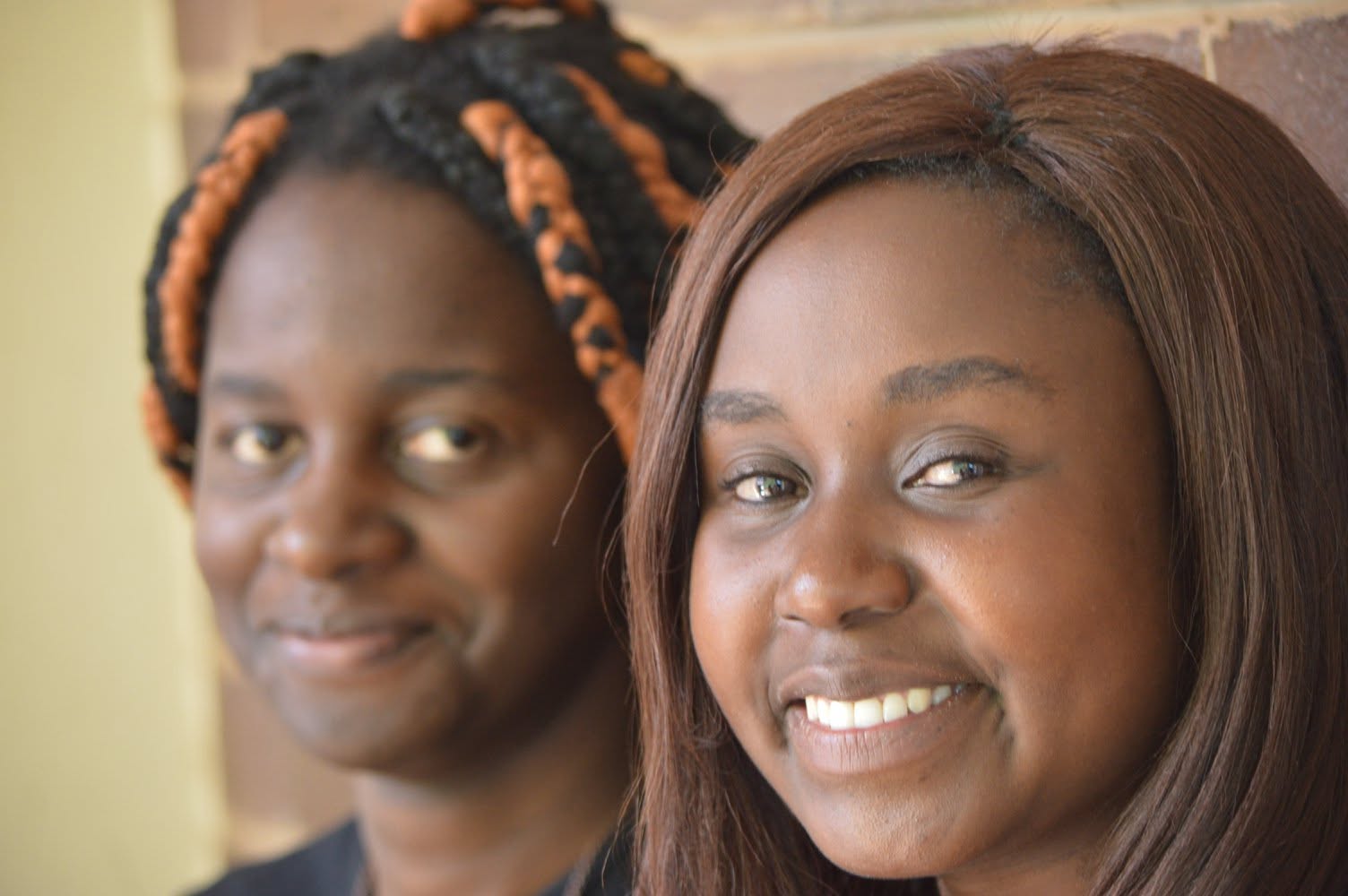
🤝 Unhu in action — practical empathy, mutual support, and civic solidarity without dogma.
“Humanists have no morals.”
Humanists ground ethics in empathy and reason. Kindness, honesty and fairness need no supernatural enforcement.
“It’s just atheism.”
Many humanists are atheists or agnostics, but humanism is positive and constructive — it’s about how we live, not only what we reject.
“Humanism is foreign / un-African.”
Reason, community and this-worldly ethics run deep in African thought. Ubuntu — “I am because we are” — is profoundly humanist.
“Without religion, life has no meaning.”
Meaning isn’t handed down — it’s made. In relationships, purpose, curiosity and contribution, life is rich with meaning.
Deepen your understanding with our curated library of books, foundational manifestos, academic papers on African philosophy, and free guides.
From Alice Roberts and Andrew Copson’s Little Book of Humanism to Stanlake Samkange’s groundbreaking work on Hunhuism / Ubuntuism, find the intellectual roots that shape our worldview.
Explore Humanist ResourcesBy Stanlake J. W. T. Samkange — the classic work establishing indigenous Zimbabwean ethics.
Humanists International’s friendly guide to ethical living without dogma.
You might have been a humanist all along. Come find your community and add your voice.